

What Would Your Practice Do If You Called in Sick?
If your practice can't run a day without you, you own a job, not a business. How to give your dental team real authority — safely — and get your freedom back.

What If You Never Had to Approve Anything Again?
Every approval you require is a delay and a bottleneck. How to distribute decision authority across your organization — safely — and scale past yourself.

Why Does Everything Still Run Through You?
Delegating a task isn't empowerment. How to move real decision authority to your team — Marquet's “I intend to” — without creating chaos.

Are You Solving Problems Your Team Should Be Solving?
In most practices the owner is the biggest bottleneck. How coaching your dental team — asking, not answering — grows judgment and gives you your time back.

Can You Build a Company That Coaches Itself?
Coaching fails as a program and works as a habit. How to build a company that coaches itself — with the seven questions and AI-scaled coaching tools.

Why Is Your Best Advice Making Your Team Weaker?
Your best advice may be quietly weakening your team. Why coaching — asking, not telling — grows people faster, and how to catch your “Advice Monster.”

Is the Team You Wish You Could Hire Already in Your Operatory?
The team you wish you could hire may already be in your operatory. How seeing your dental team's potential becomes your best retention and growth strategy.

Why Does Your Company Keep Missing Its Own Best People?
Companies keep missing their own best people because their systems reward polish over potential. How to turn talent-spotting into a repeatable system.

What Do You See in People Before They See It in Themselves?
Belief is a leadership skill, not a feeling. How seeing potential early — before people see it themselves — quietly changes what your team becomes.

Is Your Practice Recovering — or Just Bracing for the Next Hard Week?
Is your practice recovering, or just bracing for the next hard week? Use the Hanlon Capacity Reserve to make recovery a skill and build lasting resilience.
Why Do Rested Teams Outperform Busy Ones?
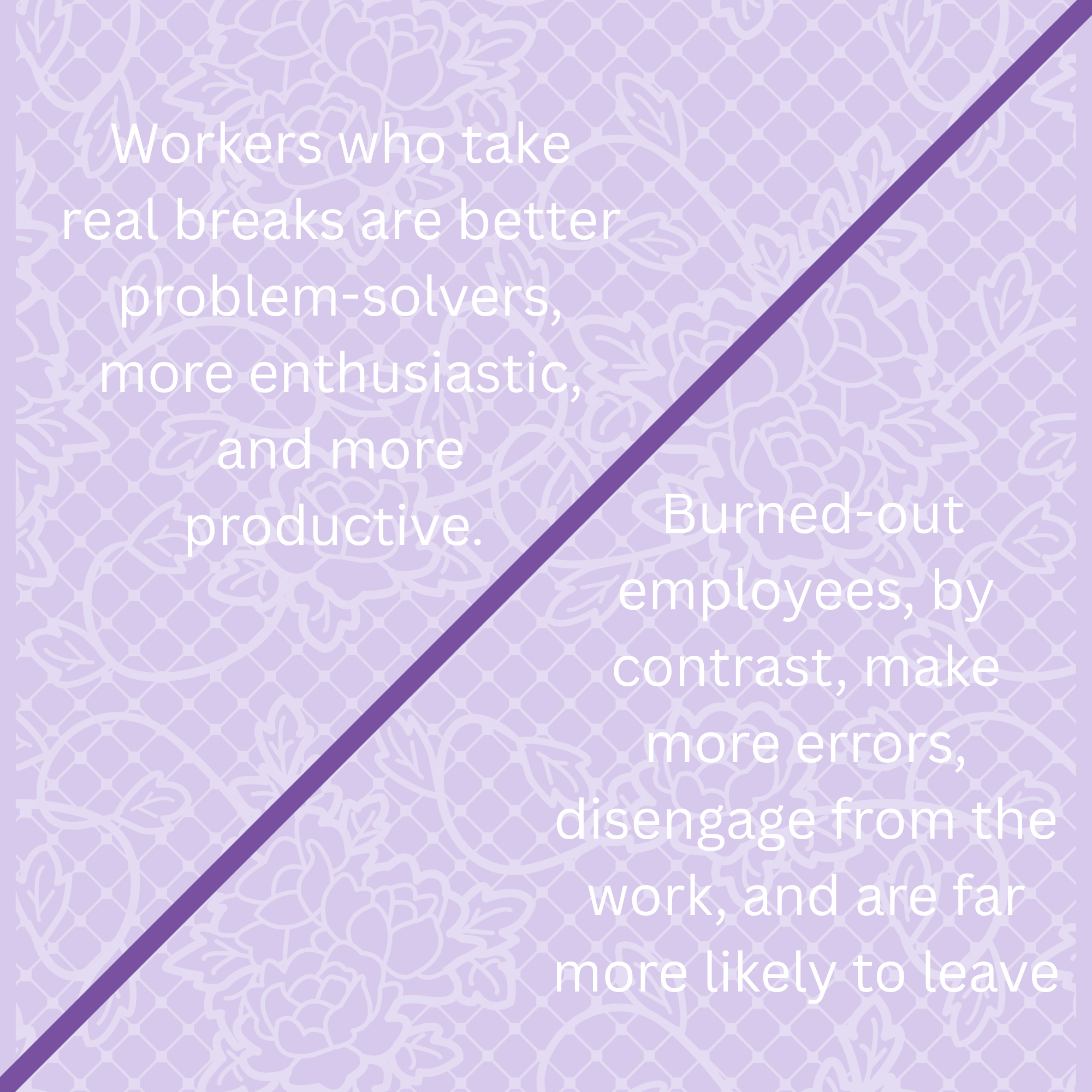
Rested teams outperform busy ones because recovery restores judgment and creativity. Use the Hanlon Capacity Reserve to design recovery in.
Why Is Rest the Skill High Performers Neglect Most?
Rest isn’t the reward for work — it’s part of it. Use the Hanlon Capacity Reserve to make Restore a skill and lead at a pace that lasts.
Why Does the Practice Owner End Up Doing Everything?
Capable dental practice owners end up doing everything. Use the Hanlon Capacity Reserve and the strategic no to protect your time and build a practice that lasts.

Why Does a Leader Who Can't Say No Create a Team That Can't Either?
A leader who can’t say no builds a team that can’t either. Use the Hanlon Capacity Reserve to protect your team’s capacity with the strategic no.

Why Do Capable Leaders Say Yes to Too Much?
Capable leaders say yes to too much. Use the Hanlon Capacity Reserve and the strategic no to protect your time, energy, and what matters most.
Is Your Team Really Present With Patients — or Just Moving Fast?
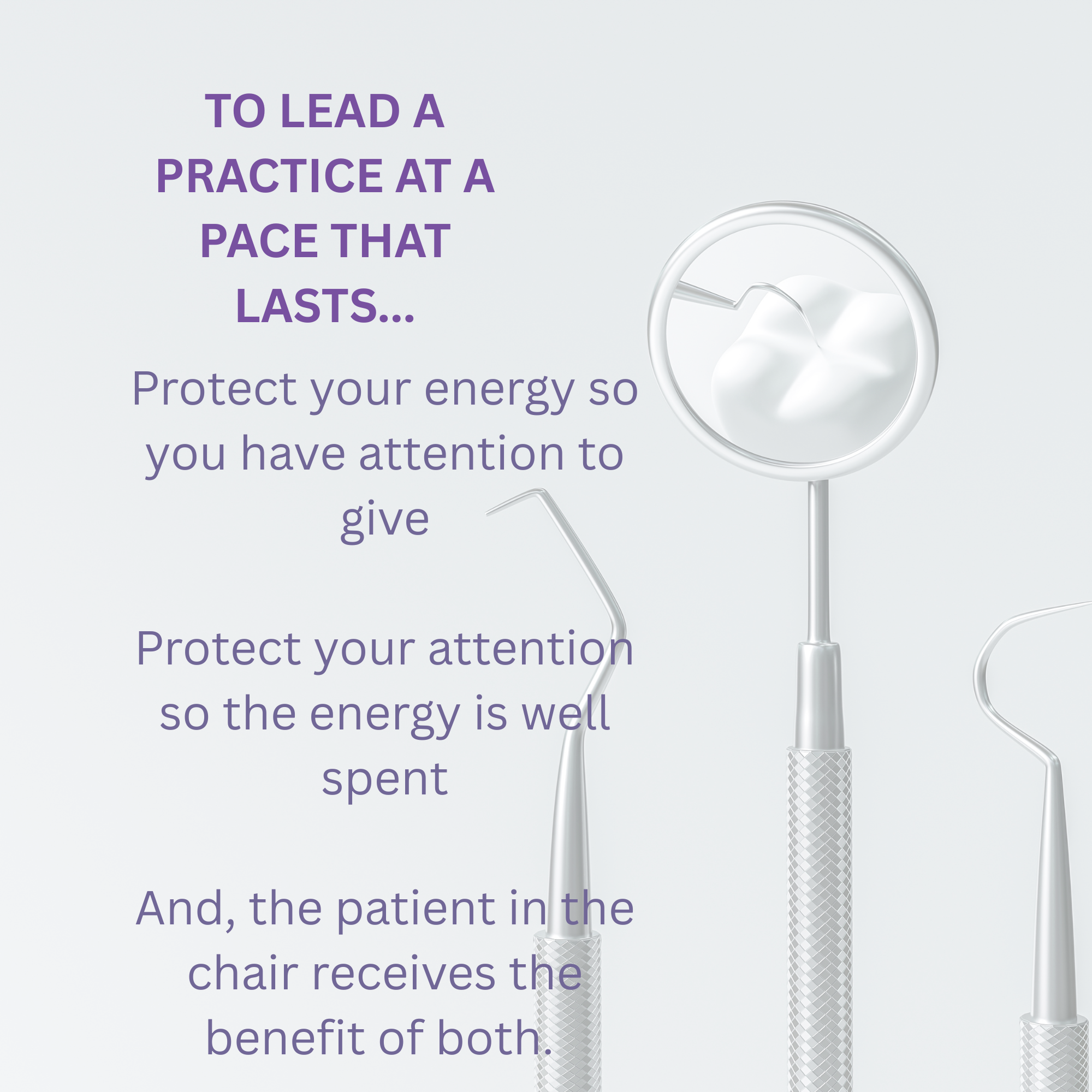
In a practice, divided attention is a quality and trust issue. Use the Hanlon Capacity Reserve to protect presence with patients and your team.

Why Does Your Whole Company Feel Busy but Nothing Deep Gets Done?
Your company feels busy but nothing deep gets done because it runs on responsiveness. Use the Hanlon Capacity Reserve to protect team focus.
Why Can't You Think the Way You Used To?
You haven’t lost your focus — it’s being fragmented. Use the Hanlon Capacity Reserve to protect attention, the scarcest resource you own
Why Does Your Practice Day Leave You Running on Empty?
Your schedule tracks time, not energy. Use the Hanlon Capacity Reserve to read what your practice day costs you and prevent clinician burnout.

Why Do Your Best People Burn Out First?
Your best people burn out first because they carry the most demand. Use the Hanlon Capacity Reserve to protect team energy and keep top talent.